What is an EPOS Payment System?
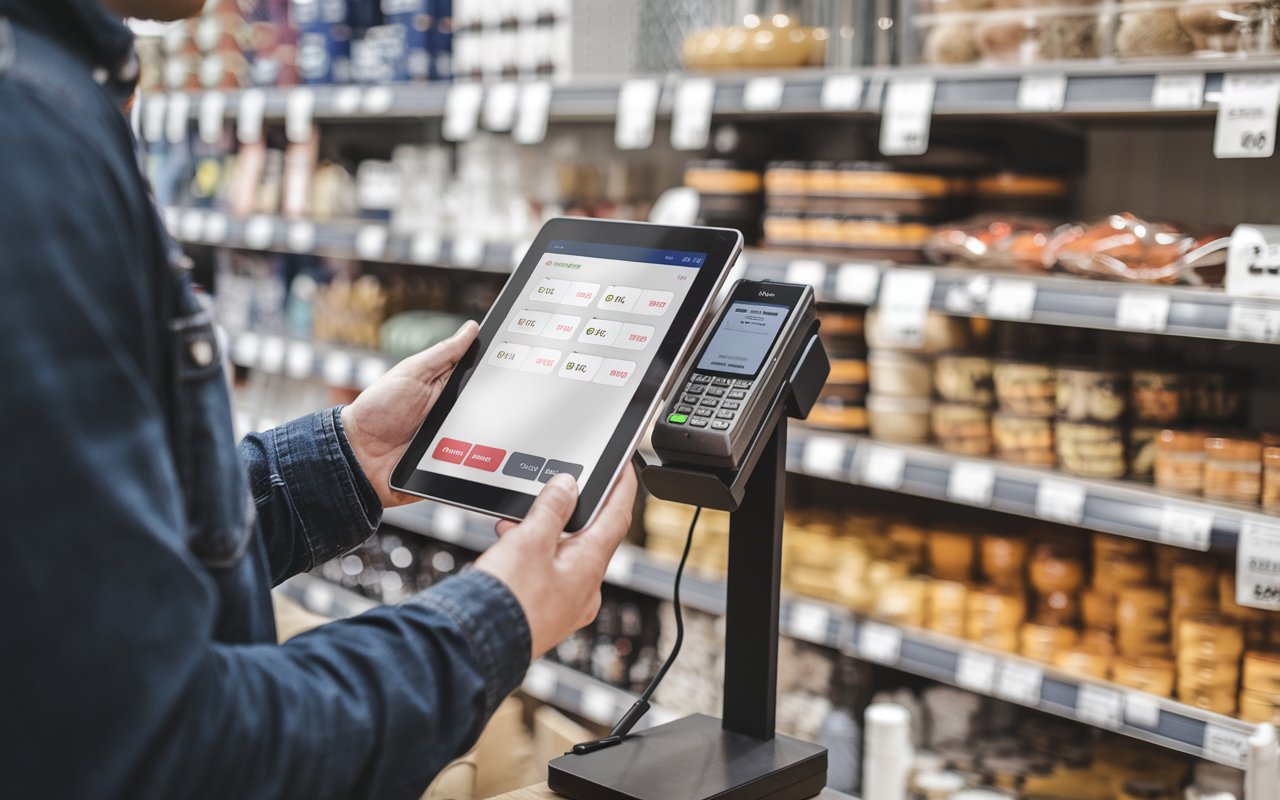
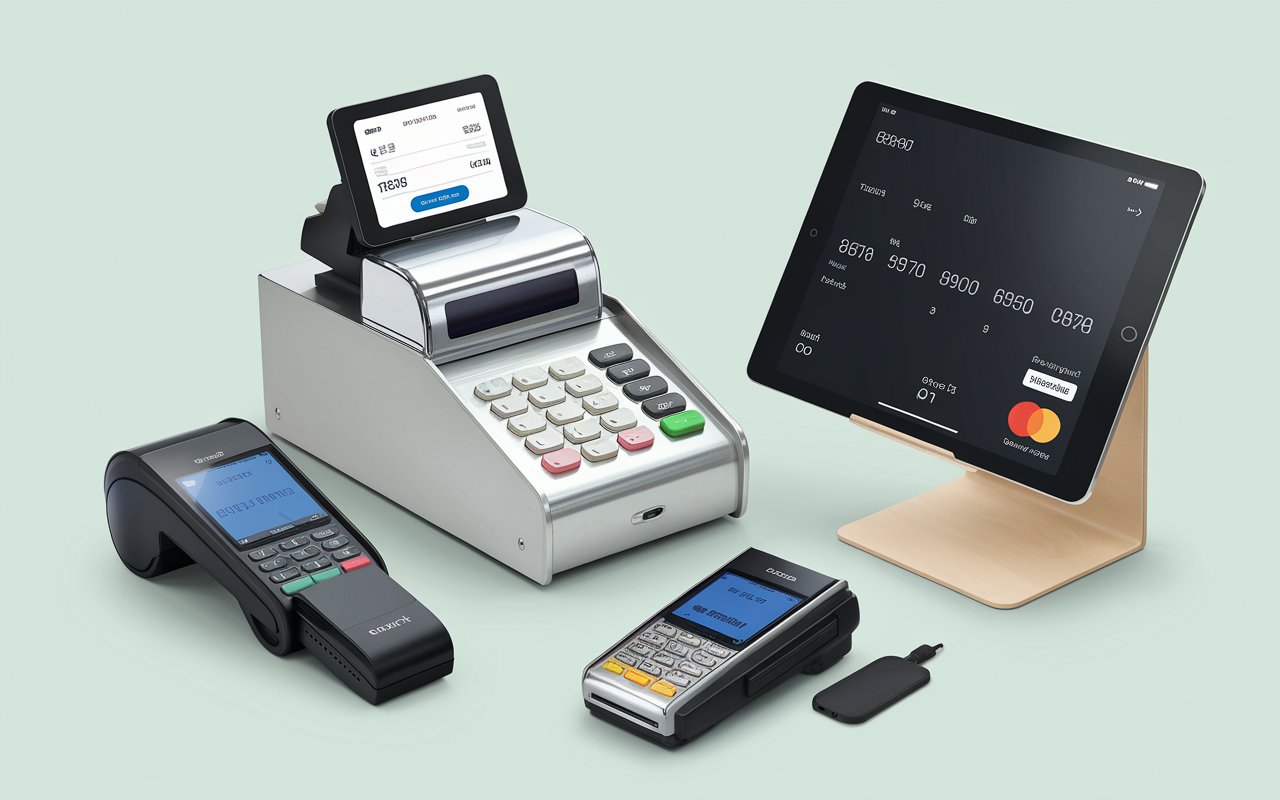
An EPOS payment system is an advanced solution that combines hardware and software to facilitate transactions and manage various aspects of a business's operations. At its core, an EPOS system includes a terminal (or point of sale hardware), a touchscreen monitor or tablet, and specialized software designed to handle sales processing, inventory tracking, and customer relationship management (CRM).
Unlike traditional POS systems, which often rely on basic cash registers and manual processes, EPOS systems integrate multiple functionalities into one platform. This means businesses can accept various payment methods—credit cards, mobile payments, and even gift cards—without needing separate devices.
Furthermore, EPOS systems provide real-time data analytics, enabling business owners to make informed decisions based on sales trends, stock levels, and customer preferences. They also streamline operations by automating tasks like inventory management and sales reporting.
Key Features of an EPOS Payment System
An EPOS payment system has features that enhance customer experience and business efficiency. Here are some of the standout features that make EPOS systems essential for modern businesses:
- Multiple Payment Options: EPOS systems allow businesses to accept various payment methods, including credit and debit cards, mobile payments, and contactless options. This flexibility caters to customer preferences and speeds up the checkout process.
- Real-Time Transaction Processing: An EPOS payment system processes transactions instantly. This means that customers don't have to wait long, which helps reduce lines and improve overall satisfaction.
- Inventory Management: One of the most valuable features of an EPOS system is its ability to track inventory in real time. Business owners can easily monitor stock levels, receive alerts when items are low, and even automate reordering processes. This prevents stockouts and ensures that popular items are always available.
- Sales Analytics: EPOS systems provide detailed reports on sales trends, customer behavior, and inventory performance. Businesses can make informed decisions about promotions, pricing, and inventory management by analyzing this data.
- Customer Relationship Management (CRM): Many EPOS systems have built-in CRM tools that help businesses manage customer data. This feature allows for personalized marketing, loyalty programs, and improved customer service.
- User-Friendly Interface: Most EPOS systems have an intuitive interface, making it easy for staff to learn and use effectively. This reduces training time and enhances staff productivity.
Benefits of Implementing an EPOS Payment System
Adopting an EPOS payment system offers many benefits that can transform how your business operates:
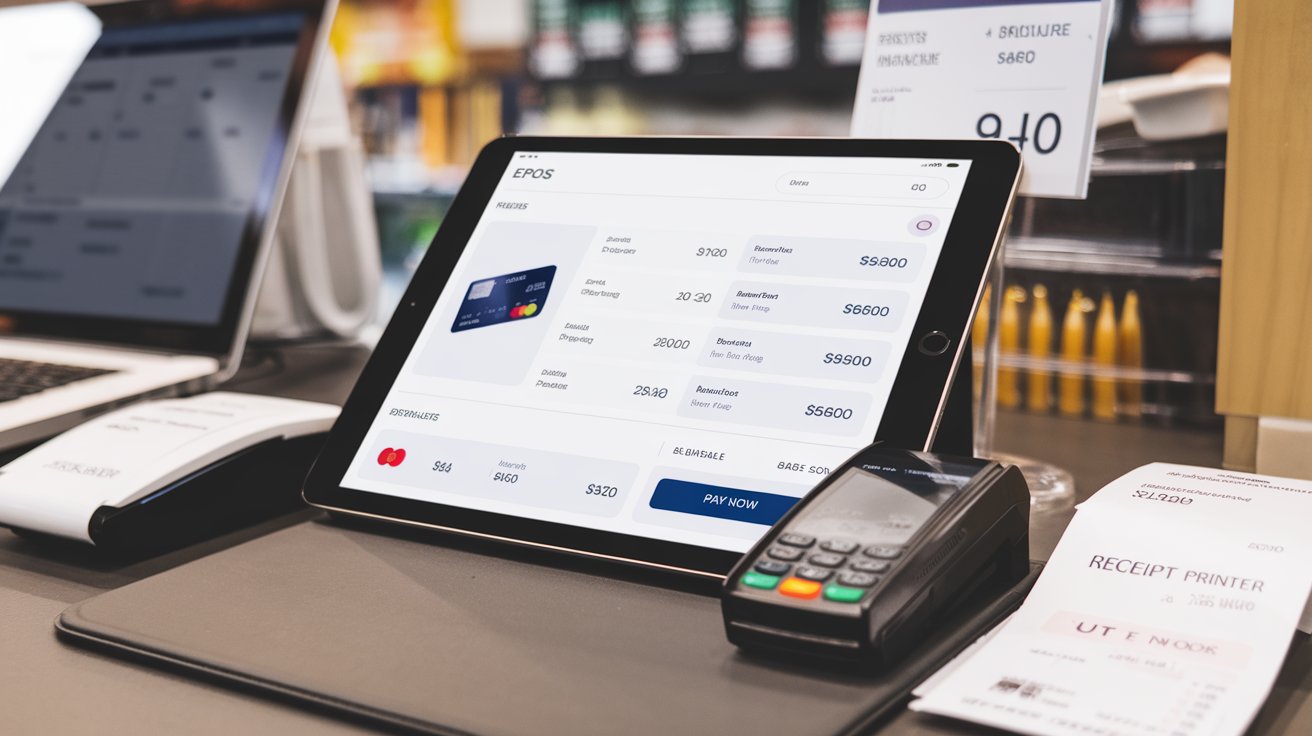
- Increased Transaction Speed: One of the primary benefits of an EPOS payment system is its ability to process transactions rapidly. With features like barcode scanning and mobile payment acceptance, customers can complete their purchases quickly. This efficiency enhances the customer experience and helps businesses serve more customers in less time.
- Enhanced Accuracy: Manual entry errors can lead to significant losses and customer dissatisfaction. An EPOS system minimizes these risks by automating calculations and inventory tracking. This accuracy ensures that sales data is reliable and inventory levels are always current.
- Better Inventory Control: With real-time inventory management capabilities, an EPOS payment system allows businesses to track stock levels seamlessly. Owners can easily see what's selling and what isn't, enabling smarter purchasing decisions and reducing overstock or stockouts.
- Comprehensive Sales Reporting: EPOS systems provide insightful analytics that reveal sales trends, peak shopping times, and customer preferences. By leveraging this data, businesses can tailor marketing efforts and adjust product offerings to meet customer demands.
- Improved Customer Experience: Today's consumers expect convenience and speed. An EPOS payment system enhances customer satisfaction through features like quick checkout, multiple payment options, and personalized service. Happy customers are more likely to return and recommend your business.
- Scalability: As your business grows, your needs change. An EPOS payment system can quickly scale with your operations, adding new features or integrating with additional systems as necessary, ensuring you're always equipped to meet your customers' expectations.
Types of EPOS Payment Systems
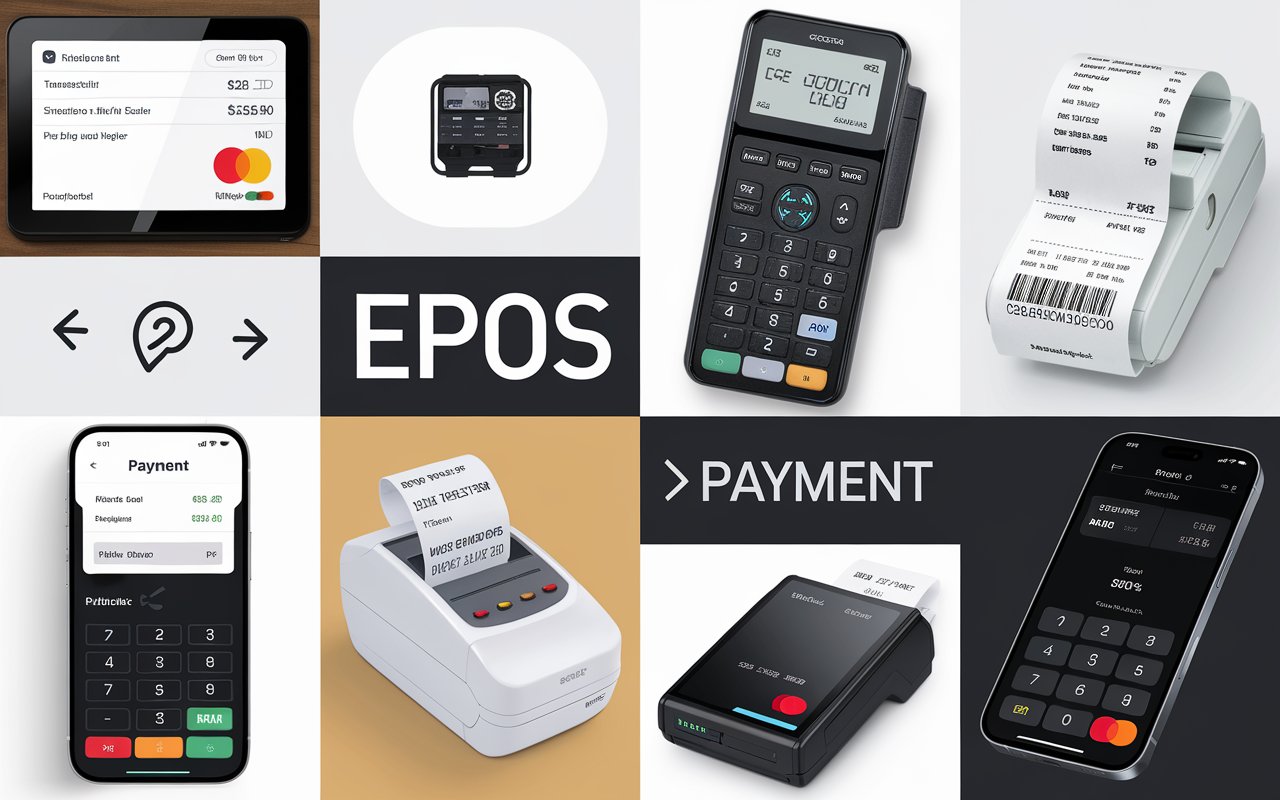
When choosing an EPOS payment system, businesses have several options tailored to meet specific needs and preferences. Here are the main types of EPOS systems available:
- Cloud-Based EPOS Systems: These systems operate on the cloud, meaning all data is stored remotely and can be accessed from anywhere with an internet connection. This flexibility is ideal for businesses with multiple locations or requiring remote access to sales data. Cloud-based systems often come with lower upfront costs, making them a popular choice for startups.
- On-Premise EPOS Systems: Unlike their cloud counterparts, on-premise EPOS systems are installed directly on a business's hardware. This option offers greater control over data and can be more secure for some companies. On-premise systems may have higher initial costs but can benefit those with specific compliance needs.
- Mobile EPOS Solutions: Perfect for businesses that operate on the go, mobile EPOS systems are designed for tablets or smartphones. These systems enable companies to take transactions anywhere, from markets to events. They typically include features like card readers and invoicing tools, allowing for seamless customer interactions.
- Integrated EPOS Systems: These systems combine various functionalities—payment processing, inventory management, and CRM—into one platform. By incorporating these features, businesses can streamline their operations, reducing the need for multiple software solutions.
How EPOS Payment Systems Work
Understanding how an EPOS payment system works is essential for any business looking to enhance its transaction processes. Here's a step-by-step breakdown of how these systems operate:
- Transaction Initiation: When a customer selects products to purchase, the cashier scans them using a barcode scanner or manually enters them into the EPOS system. This action pulls the product information from the inventory database, allowing quick access to prices and stock levels.
- Payment Processing: The total amount due is displayed on the screen once the items are scanned. Customers can choose their preferred payment method, whether a credit card, debit card, mobile payment, or cash. The EPOS system securely processes the payment through a payment gateway, ensuring transaction security and compliance with industry standards.
- Receipt Generation: After the payment is approved, the EPOS system generates a digital or printed receipt for the customer. This receipt includes transaction details essential for record-keeping and customer reference.
- Inventory Management: Simultaneously, the EPOS system updates the inventory in real time, deducting the purchased items from stock levels. This automatic adjustment helps prevent stock discrepancies and keeps inventory management efficient.
- Data Analytics and Reporting: After each transaction, the EPOS system collects and analyzes data related to sales, customer preferences, and stock levels. Business owners can access detailed reports, helping them make informed decisions regarding inventory, promotions, and overall strategy.
- Integration with Other Systems: Many EPOS systems can integrate with accounting software, customer relationship management (CRM) tools, and eCommerce platforms, creating a comprehensive management ecosystem that enhances operational efficiency.
Successful Implementation of EPOS Payment Systems
Understanding the real-world impact of an EPOS payment system can help businesses see the value of this technology. Here are a few case studies showcasing how different companies successfully implemented EPOS systems to enhance their operations:
- A Local Coffee Shop: A small coffee shop faced long lines during peak hours, leading to frustrated customers. By implementing a cloud-based EPOS payment system, they could speed up transactions and integrate mobile payment options. The system allowed baristas to take orders and payments at the table, significantly reducing wait times. As a result, customer satisfaction increased, and sales rose by 30% during busy hours.
- A Boutique Retail Store: A boutique struggled with inventory management, often running out of popular items. After adopting an integrated EPOS system, the owner gained real-time visibility into stock levels and sales trends. The system automatically alerted the owner when inventory was low, allowing for timely reordering. This implementation improved inventory accuracy and increased sales by 25%, as customers found their favorite items consistently available.
- A Restaurant Chain: A growing restaurant chain faced challenges managing multiple locations and ensuring consistent service. The chain streamlined its operations by utilizing a comprehensive EPOS payment system that offered centralized reporting and management. The system
-
For more information contact Panda EPOS via:
Chat feature on this website
or
Email us: info@pandaepos.com
or
01452 332211 and select option 1 for sales.