What is a Restaurant EPOS System?
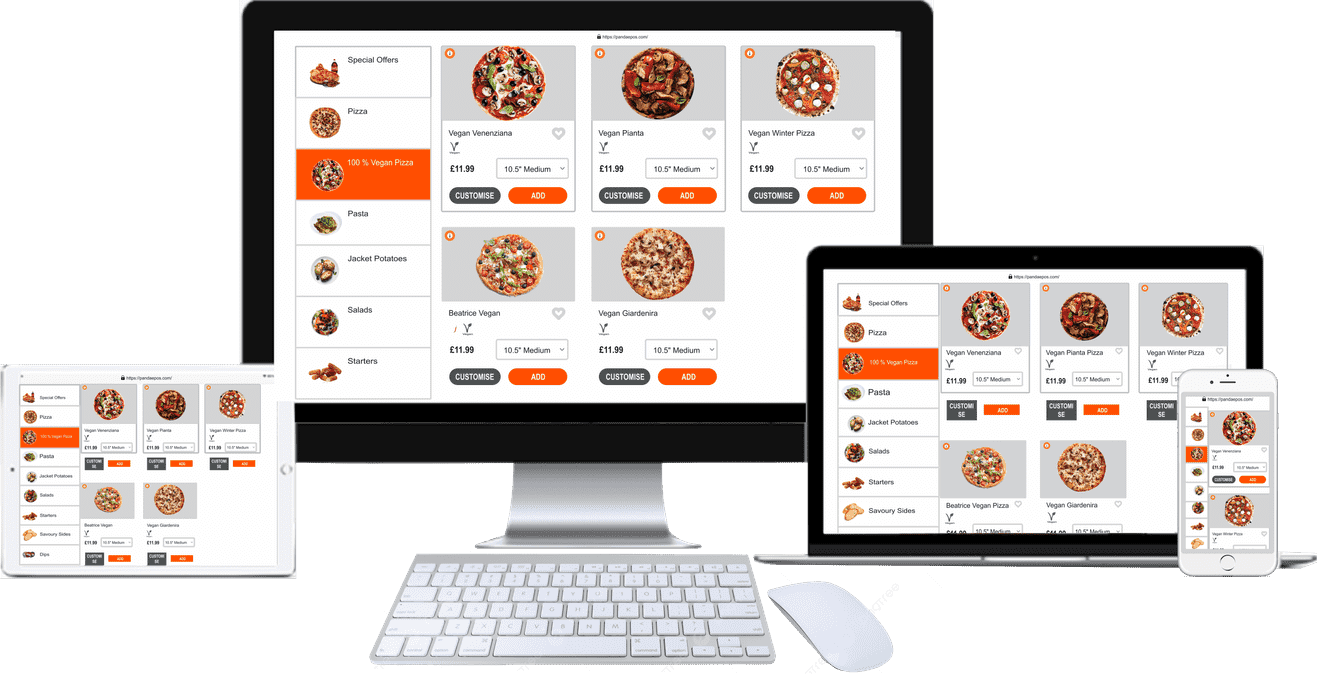
A restaurant EPOS system (Point of Sale) is a critical tool that helps manage various aspects of restaurant operations. It’s not just a cash register; it integrates payment processing, inventory management, and customer relationship management (CRM) into one cohesive platform. Using a cloud-based EPOS allows restaurant owners to access real-time data, streamline operations, and enhance the customer experience. With features like mobile ordering, table management, and sales reporting tools, a well-chosen restaurant EPOS solution empowers staff to work efficiently. In today’s fast-paced environment, investing in a top EPOS system is essential for success and growth in the restaurant industry.
Benefits and Features of a Restaurant EPOS System
Investing in a restaurant EPOS system brings numerous benefits that can transform your business. One of the primary advantages is improved efficiency. With features like inventory management software and employee scheduling tools, staff can easily track stock levels and manage shifts without hassle. This saves time and reduces human errors that could lead to costly mistakes.
Additionally, a well-designed point-of-sale system offers enhanced customer experience. With options for mobile ordering and contactless payment processing, customers enjoy faster service, which is essential during peak hours. Moreover, many EPOS solutions for restaurants include CRM capabilities, enabling you to gather valuable customer data, which can be used to create personalized experiences and foster loyalty.
Sales reporting tools are another vital feature. These tools provide insights into your restaurant’s performance, helping you make informed decisions about menu items and promotions. By analyzing sales trends, you can adjust your offerings to meet customer preferences and maximize profits. Overall, the right EPOS system is not just a cash register; it’s a comprehensive solution that drives growth and efficiency in the competitive restaurant landscape.
Choosing the Right Restaurant POS System
Selecting the ideal restaurant POS system is crucial for your establishment’s success. Start by identifying your specific needs. Do you require a cloud-based EPOS for remote access, or is an on-site solution more suitable? Consider your restaurant’s size and type, as different systems cater to various dining experiences, from fine to fast casual.
Next, look for essential features that enhance operations. Inventory management and employee scheduling are vital for efficient workflow. A robust payment processing system should support multiple options, including credit cards and mobile payments, to accommodate customer preferences.
Remember user-friendliness. The best restaurant EPOS solutions should have an intuitive interface that allows staff to adapt quickly, reducing training time and increasing productivity. Additionally, check for integration capabilities with other software you may use, such as CRM systems or online ordering platforms.
Finally, customer support and training offered by the provider should be considered. A responsive support team ensures you can resolve issues swiftly, minimizing downtime. Considering these factors, you can confidently choose a restaurant POS system that aligns with your goals and enhances your overall operational efficiency.
Top Restaurant POS Systems for 2024
As we look ahead to 2024, several restaurant POS systems stand out for their innovative features and reliability. Here’s a roundup of the top contenders that can help elevate your restaurant operations.
| Name |
Description |
Starting Price |
| Panda EPOS |
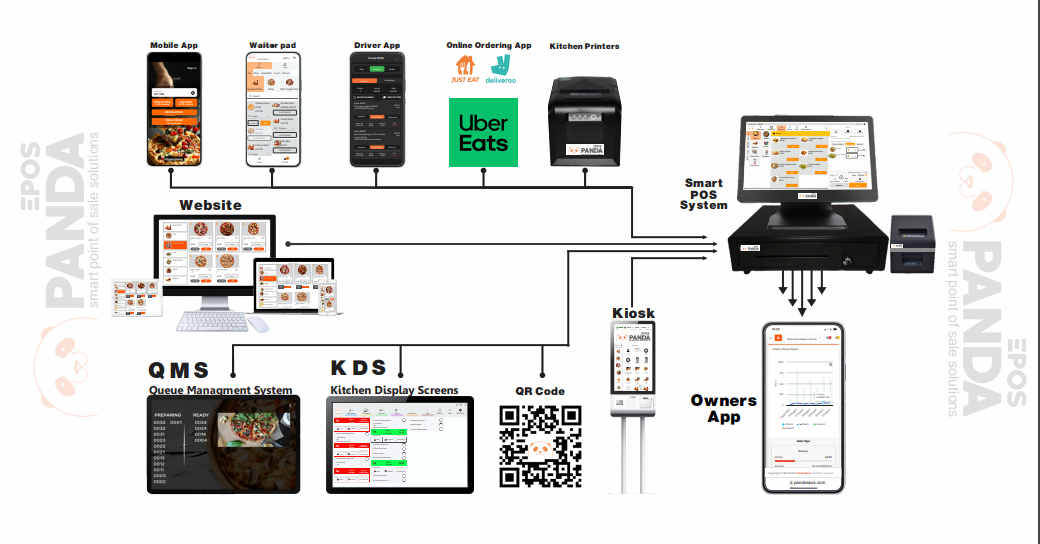
Fully Integrated Smart Point of Sales Systems for Takeaways, Restaurants, Pubs, and Cafés, etc. Panda EPOS has POS Systems, Ordering Websites, Ordering Mobile Apps, Kitchen Display Systems, Self Serving Kiosk, QR Code Table Ordering, Waiter Pads, Delivery Driver Apps, and Bespoke POS Solutions. |
1£ per day |
| Square for Restaurants |
Known for its user-friendly interface, Square offers a comprehensive solution tailored for various restaurant types. Its mobile POS capabilities and integrated payment processing make it ideal for quick-service establishments. |
49£ per month |
| Toast |
Toast has rapidly gained popularity with its all-in-one platform, including online ordering, delivery management, and advanced sales reporting tools. It’s particularly beneficial for restaurants looking to streamline operations and enhance customer experience. |
56£ per month |
| Lightspeed |
This cloud-based EPOS system excels in inventory management, offering features that allow for real-time tracking and reporting. Its customizable interface makes it suitable for both small cafes and large restaurants. |
69£ per month |
| TouchBistro |
Designed specifically for the hospitality industry, TouchBistro combines ease of use with robust features like table management and employee scheduling. It’s a solid choice for improving workflow and customer service. |
55£ per month |
| Revel Systems |
This system offers extensive customization and integrates well with various payment processors. Revel is perfect for larger restaurants needing a scalable solution to handle complex operations. |
77£ per month |
Implementation and Cost
Understanding the implementation process and associated costs is essential for making an informed decision when considering a restaurant POS system. Implementing a new EPOS system typically involves several steps, including system setup, hardware installation, and staff training. Most providers offer dedicated support during the transition, ensuring a smooth integration with minimal disruption to your operations.
Costs can vary widely based on several factors, including the features you select, the size of your restaurant, and whether you choose a cloud-based or on-premise solution. On average, you can expect to pay a one-time setup fee that ranges from $1,000 to $10,000, depending on the complexity of your system. Additionally, monthly subscription fees for cloud-based systems often range from $50 to $500, depending on the features included.
Remember to factor in hardware costs such as tablets, cash drawers, and receipt printers. Many systems offer bundle packages that can help reduce upfront expenses. It’s also crucial to consider the return on investment (ROI). A well-implemented POS solution for restaurants can significantly enhance operational efficiency and customer satisfaction, increasing sales and profits over time. Overall, weighing the initial costs against long-term benefits will guide you in selecting the right system for your business.
FAQs about Restaurant POS Systems
- What is a restaurant POS system? A restaurant POS system is a point-of-sale solution that manages sales transactions, inventory, and customer relationships in a restaurant setting. It integrates various functions like order management, payment processing, and reporting to streamline operations.
- How does a cloud-based POS system work? A cloud-based POS system stores data on remote servers instead of local devices. This allows restaurant owners to access real-time information anywhere, enabling better sales, inventory, and employee performance management.
- What features should I look for in a restaurant EPOS system? Key features include inventory management, integrated payment processing, employee scheduling tools, table management systems, and sales reporting capabilities. These features enhance efficiency and improve the overall dining experience.
- Can a restaurant POS system help reduce costs? A well-implemented POS system can help reduce costs by optimizing inventory management, minimizing waste, and improving labour efficiency. Accurate sales data allows for better forecasting and decision-making.
- Is it easy to train staff on a new POS system? Most modern restaurant POS systems are designed to be user-friendly, with intuitive interfaces. Depending on the system’s complexity, training staff can usually be completed quickly, often in just a few hours.
- What is the average cost of a restaurant POS system? The cost of a restaurant POS system can vary widely based on features, hardware, and subscription models. On average, expect to pay between $1,000 and $10,000 for initial setup, plus monthly fees ranging from $50 to $300.
- Can I use a POS system for mobile ordering? Many restaurant POS systems offer mobile ordering capabilities, allowing customers to place orders through a mobile app or website. This feature enhances customer convenience and can boost sales.
- What are the benefits of using a POS system in a restaurant? A POS system improves operational efficiency, enhances customer service, provides detailed sales analytics, simplifies inventory management, and streamlines payment processing, leading to increased profitability.
For more information contact Panda EPOS via:
Chat feature on this website
or
Email us: info@pandaepos.com
or
01452 332211 and select option 1 for sales.